
Virginia Beach Local
Electrical Wiring Repair in Virginia Beach
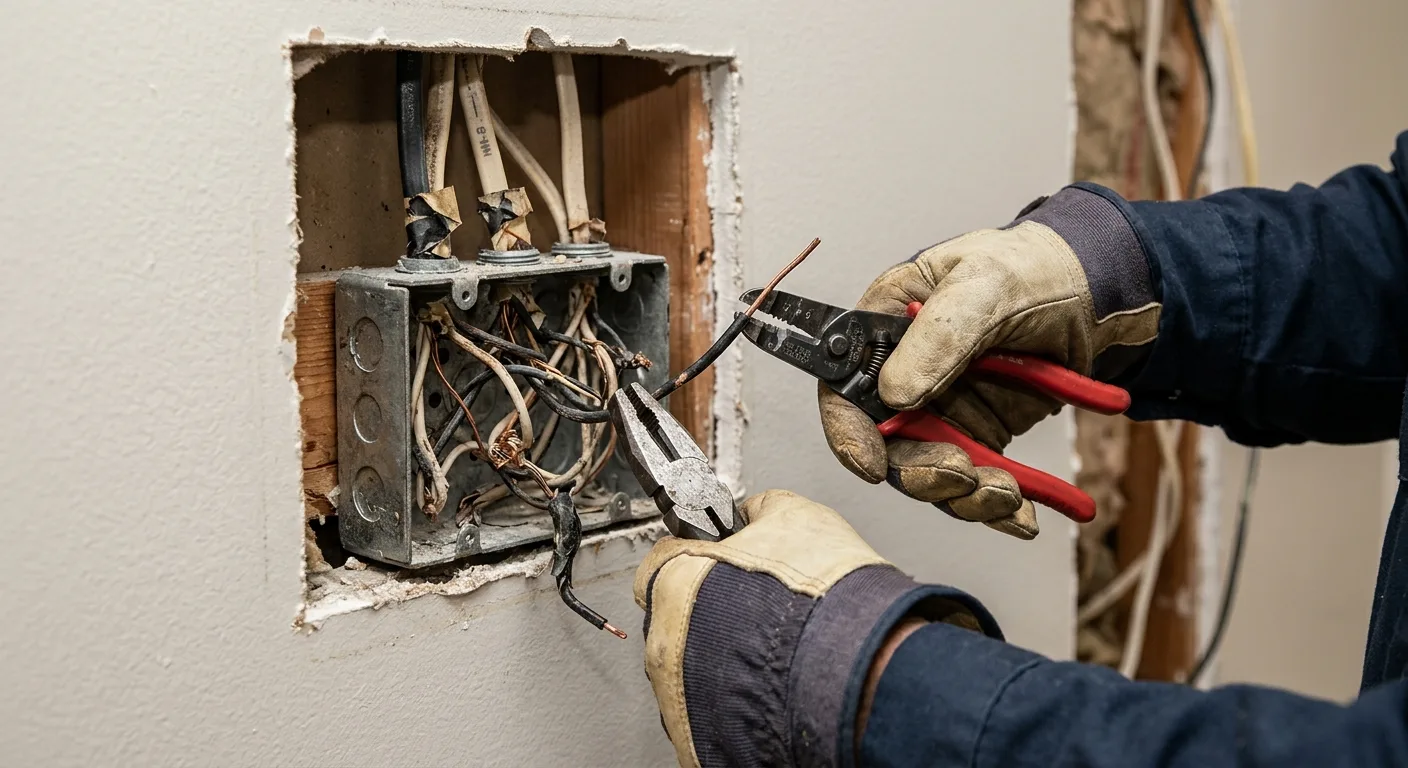
From flickering lights to dead outlets, our licensed team diagnoses and fixes wiring problems right.
Call or text (757) 472-0283Request an estimate
Tell us what you need
Virginia Beach Electrical Wiring Repair Explained
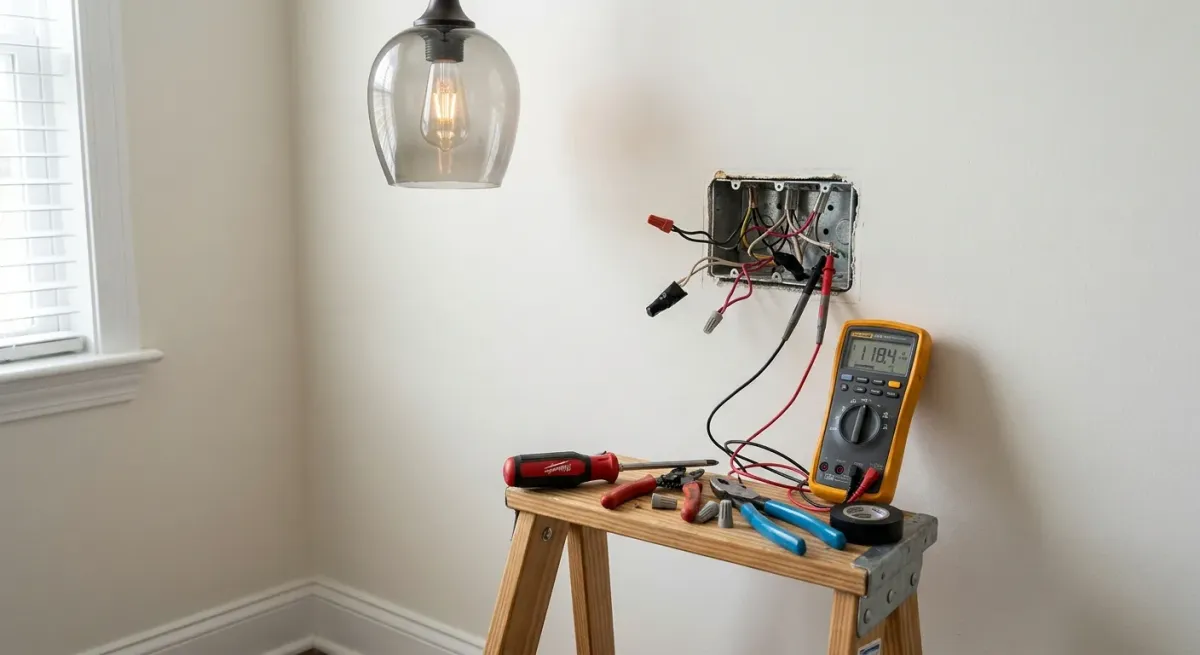
Electrical wiring repair in Virginia Beach is exactly what TPM Plumbing Electrical Handyman handles: diagnosing why circuits fail, outlets go dead, or lights flicker, then fixing the actual cause instead of just resetting a breaker. We serve homeowners across Virginia Beach and the surrounding Hampton Roads area, and Elizabeth Tovar's team is reachable directly at (757) 472-0283. If something feels off with your home's electrical system, don't sit on it. Wiring problems get worse, not better.
What drives the cost and complexity of a wiring repair job comes down to a few things: how old the home is, what type of wiring is already in the walls, how accessible the affected circuit is, and whether the problem is isolated or part of a larger system issue. Virginia Beach has a wide mix of housing stock, and older neighborhoods carry original cloth-wrapped or aluminum wiring that behaves very differently from modern copper. Coastal humidity and salt air also accelerate corrosion on outdoor connections and unprotected junction boxes. We handle the full range, from a single faulty outlet to a circuit that keeps tripping for no obvious reason. For a full picture of what our electrical services cover, that page lays it out. Every job is different. Contact TPM Plumbing Electrical Handyman for an accurate estimate.
What Electrical Wiring Repair Covers
- Diagnosis and repair of dead outlets, switches, and circuits
- Flickering or dimming light troubleshooting
- GFCI outlet testing, repair, and replacement
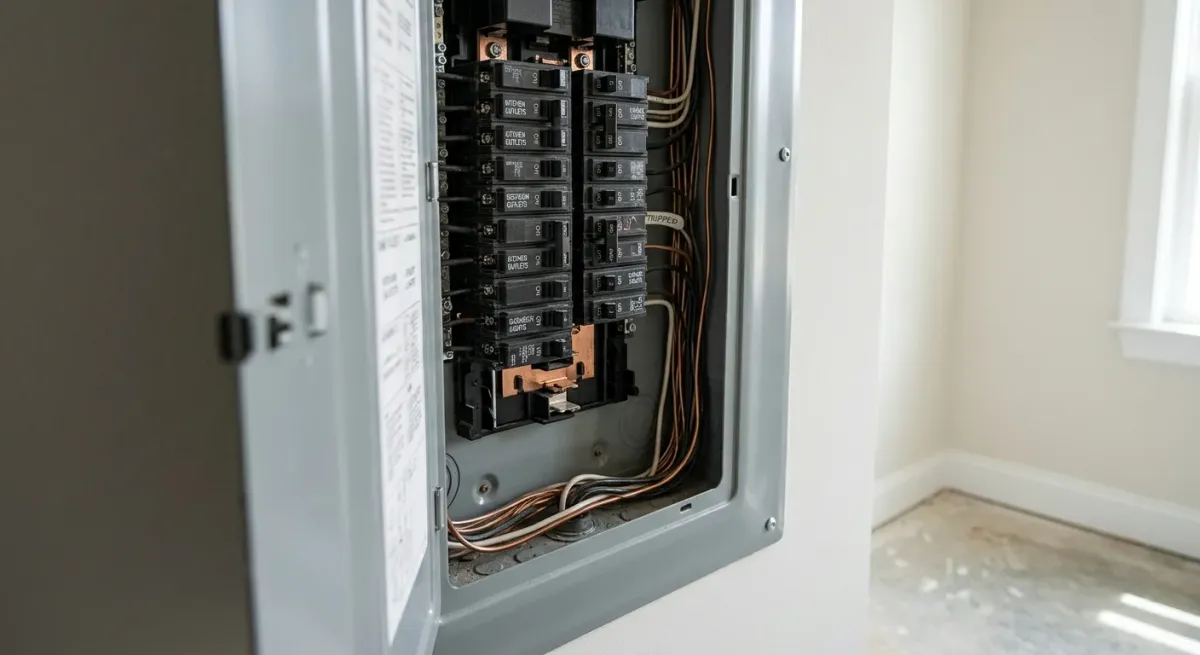
- Circuit breaker and panel issue identification
- Wiring safety checks in older Virginia Beach homes
- Repair of corroded or damaged outdoor connections
Common Problems
Wiring Issues We See Most Often
Most of these start small and announce themselves quietly before they become a real hazard.
Flickering or Dimming Lights
Usually a loose connection at a fixture, switch, or the panel. Sometimes it points to a shared circuit that's overloaded. Either way, flickering is not a "just ignore it" situation, especially if it happens across multiple rooms.
Dead Outlets and Switches
An outlet that stops working is often a tripped GFCI upstream, but it can also be a failed connection inside the box. We trace it back to the actual source rather than guessing from the symptom.
Breakers That Keep Tripping
A breaker that trips repeatedly under normal load is telling you something. It could be a wiring fault, an overloaded circuit, or a breaker that's worn out. Resetting it doesn't fix it. We do.
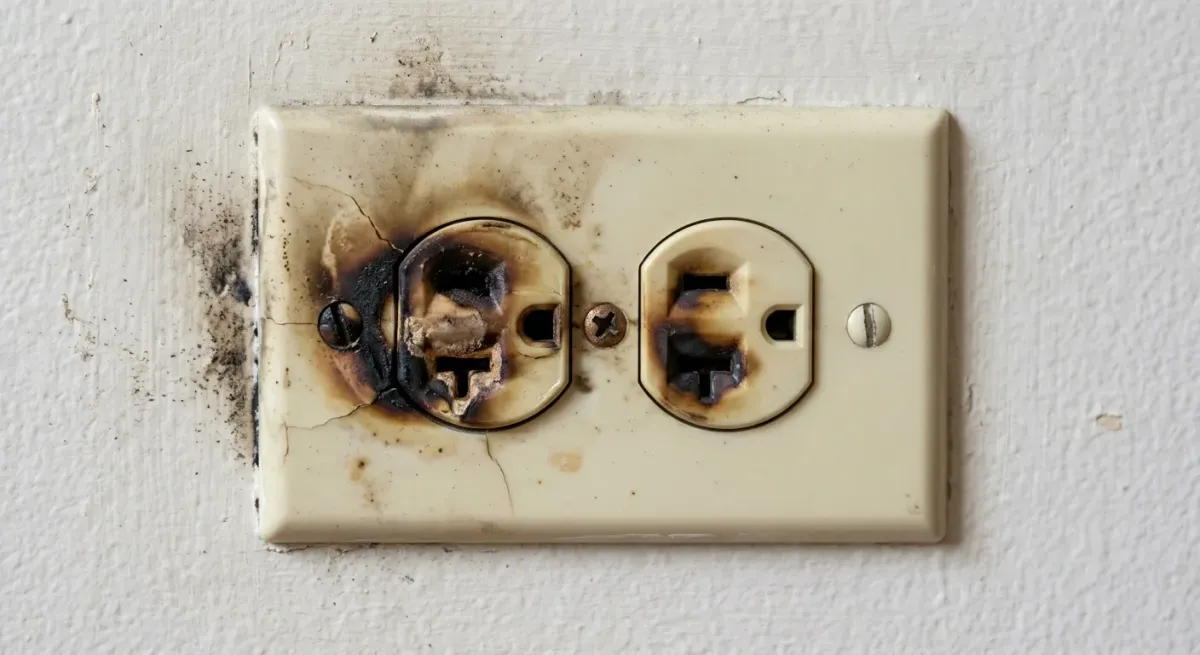
Warm or Discolored Outlet Faces
Heat at an outlet or switch cover is a warning sign the connection behind it is failing. This one we'd rather you called us about immediately than waited on.
Outdated Wiring in Older Homes
Homes built before the late 1970s in Virginia Beach sometimes have aluminum branch wiring or cloth-insulated knob-and-tube wiring. Both require specific handling. We inspect the wiring before recommending a repair path.
Corroded Outdoor Connections
Salt air along the Shore Drive corridor and near the oceanfront speeds up oxidation on outdoor outlets, junction boxes, and fixtures. What looks fine from outside can be failing inside the housing.
Safety First
When to Call Instead of DIY
Anything Inside the Walls
Replacing a breaker, tracing a dead circuit, or repairing wiring inside a wall is not a weekend project. Virginia code requires licensed work on branch circuit wiring, and an unpermitted repair can create issues when you sell.
Any Heat, Burn Marks, or Smell
If an outlet is warm, a panel smells like burning plastic, or you see char marks near a fixture, turn off the breaker for that circuit and call us. These are not symptoms you troubleshoot yourself.
Repeated Failures After You've Reset
If you've reset a breaker or replaced a bulb and the problem comes right back, the fix didn't address the fault. That's when we come in, trace the circuit properly, and find what's actually causing it.
Virginia Beach Homes and Wiring Age
What a Proper Wiring Repair Looks Like
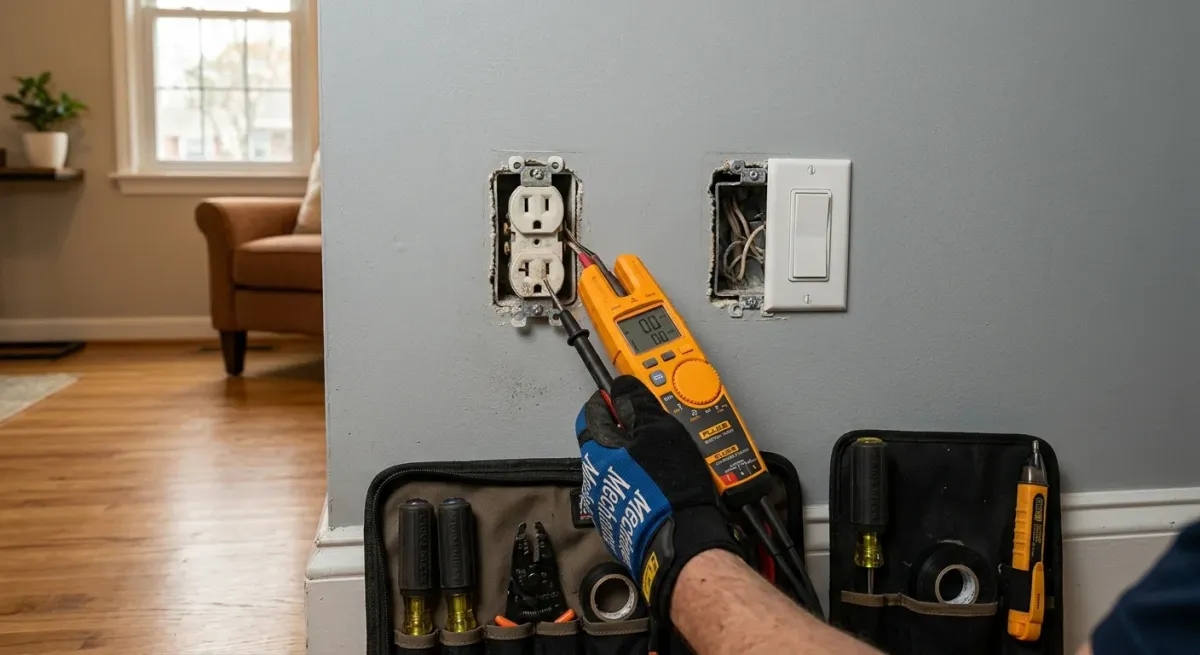
A lot of electrical "repairs" are really just resets. Here's what we actually do.
- Full circuit trace, not just the visible symptom
- We find where the fault lives, not where it shows up.
- Correct connectors and wire nuts for the wire type
- Aluminum wiring needs aluminum-rated devices. We don't cross them.
- GFCI protection where code requires it
- Kitchens, bathrooms, garages, and outdoor circuits all have specific requirements.
- Work that meets Virginia residential code
- Permitted where required. No shortcuts that show up on a home inspection.
Electrical Wiring Repair: Common Questions
How do I know if my electrical wire is damaged?
What causes flickering lights, and is it dangerous?
Is 20-year-old wiring safe?
What's the difference between a circuit breaker problem and a wiring problem?
Why do my outlets keep tripping or stop working?
When should I call an electrician instead of trying a simple fix myself?
How can I tell if my home's wiring is outdated or unsafe?
In the field
A look at our work
Get Your Wiring Problem Diagnosed
Call Elizabeth's team at (757) 472-0283. We'll tell you what we're looking at and what it takes to fix it.
Next step
Tell us about the job
Your name, your number and what needs doing. A person from TPM Plumbing Electrical Handyman gets back to you.
Rather talk now?(757) 472-0283